Showing posts with label young adult. Show all posts

Tuesday, November 4, 2014

Writing for Young Adults: Questions & Answers with Agent/Author Regina Brooks

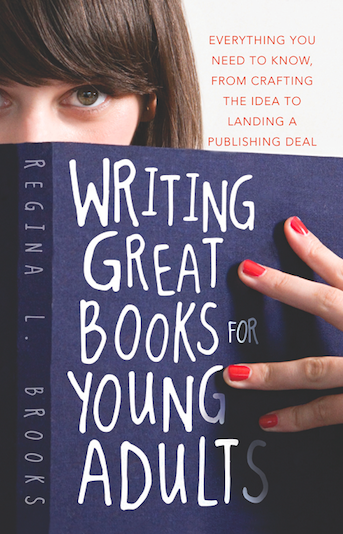
Two weeks ago, we featured an excerpt from Regina Brooks, agent and founder at Serendipity Literary. She is also the author of a book entitled Writing Great Books for Young Adults. As an agent who specializes in young adult fiction, Brooks has valuable advice which I believe is valid for both those who write for that market and those for write for ALL markets. 

Q: How did you get your start as an agent? Is the young adult market a specialty of yours?

Yes the young adult area is one of my specialty areas along with memoir, health nonfiction pop

culture, science, and fiction .


I started agenting 15 years ago after having worked in senior positions at John Wiley& Sons, and

McGraw-Hill. I loved working on technical and engineering books given that my background

as an aerospace engineer but I really loved working on light fin things as well like children’s and

young adult books.


Q: What are the biggest mistakes you see in young adult manuscripts?

Here are the top five mistakes I see in manuscript after manuscript:


1. PASSIVE CHARACTERS. Passive characters let events happen to them instead of shaping their own

stories. They react more than they act. They waffle, mired in indecisiveness, and when they do act,

their actions feel sudden and bewildering. Instead, we love seeing characters with well-developed arcs,

characters whose actions seem consistent with who they are, those who earn their growth through a

series of well-defined goals, mistakes and achievements.


2. LAPSES IN LOGIC.

You don't want your readers jerked out of the story's world with such questions as, "why would this

character do that?" or "would a teacher really get away with saying that?" or "were individuals really

allowed to own factories in 1940s Soviet Union?" Knowledge of your characters and your setting is the

best antidote to these. When as readers we are in the hands of a storyteller whose knowledge goes

deep under the surface of their story's world, we can tell.


3. EXPOSITION DUMPS.

Exposition consists of facts or history or any sort of information or background the writer feels is

essential for the reader to grasp in order to understand what's going on. When such information, be

it about the characters or the setting, is dumped into the text in long paragraphs or clunky dialogue, it

interrupts the story's flow. The reader then feels lectured to. Instead, try to weave the exposition into

the narrative as much as you can, see if you can make it an essential part of your story.


Before you explain something in your manuscript, see if you can raise the question, create a hunger

 in your readers to know what you are about to tell them. And don't overdo it, keep the exposition

sparse even then.

4. TELLING, INSTEAD OF SHOWING.

He felt sad. She was nervous. I hate Mondays.


Those are all examples of telling. Telling has its place, but so many writers overuse it. Showing goes

under the surface of an emotion or scene.


When you portray sadness or nervousness, show how such an emotion would color a character's world.


Go specific, what is it that your character really hates about Mondays?


5. CLICHE.

We see it in just about every element of story, we see it in language, descriptions, expressions

of feelings and situations. Overused phrases, stereotypes, descriptions that add nothing new to our

understanding of the world, those all lead to predictability, that sense in the reader that we have seen

this sort of story before. Do your research and spend more time imagining your story in the deepest

and most authentic possible way, and reject the first on-the-surface ideas, and you'll go a long way

toward combating cliche.


 Q: What is your best tip for writing for young adults?

Don't write to trend. Become a part of your writing community, get involved in contests, take

advantage of opportunities like Wattpad. But most importantly, once you finish one book, start the

next one. If you make a commitment to writing for young adults, keep writing! One day readers will

 fall in love with your writing, your stories and your characters, and they will want more. Be prepared

 to feed that hunger!


Q: What types of books can we expect to be trend-setters in the young adult market in the days to come?

 Realistic contemporary novels seem to be especially *it* at the moment.


Magic realism is also enjoying great interest. But really, any stories that feel fresh and unexpected.

Those become the trendsetters. I understand, there is always an interest in knowing what's on trend at

the moment. But writers do themselves and the world the best service when they focus their energies

on their truest, most authentic and greatest stories.


The publishing industry is cyclical and if your story doesn't happen to be in demand right now, there

is a strong likelihood that two to three years from now your idea will hit the mark.


 Q: Do you think the young adult book industry will continue with huge growth or is it a passing trend?

YA market has exponentially increased over the last several years, just as the number of young adults

 in the US is increasing, so is the number of books sold! To top it off, more adults than ever are

reading YA, and that trend isn't showing any signs of retreat. There has been an increase in the

number of YA imprints in recent years and editors are continuing to enthusiastically seek great

stories for teens. In addition, there's been extra interest recently in book to film, especially in the YA

category.


Not just movies, but other businesses touched by the book industry, like merchandising, have been

affected in a positive way.


 Q: Do you have any recommendations for creating young adult characters 

 (whether in young adult or other types of fiction) readers will love?

Spend time to really get to know your characters, so when we read about them, we feel as though

they are real. Then throw plenty of challenges their way, and watch them shape their own destinies!

Write what you know, not in a sense of writing from your life directly, but definitely mine your true

emotions, then transfer them to your characters. Give your characters contradictions and interesting

histories (which doesn't mean you should put all their childhood memories into your actual

manuscript).Don't force your characters to act just to follow the plot you had laid out for them. Let

your characters be their own authentic selves. We are looking forward to reading stories crafted with

such care.


 Summary/book jacket description of your book.

Break into the Bestselling Young Adult Market with this Indispensable Guide!

Whether you're just getting started or are on the hunt for an agent or publisher, Writing Great

Books for Young Adults is your complete insider source on how to succeed in the flourishing

world of YA fiction and nonfiction. In this updated and revised edition, veteran literary agent

Regina L. Brooks offers invaluable advice for YA writers on everything from shaping your novel

to crafting the perfect pitch for your book.

Learn How To:

•Develop an authentic, engaging voice and writing style

•Construct dynamic plots that will resonate with readers

•Avoid common pitfalls related to tone and point of view

•Navigate the emerging genres of YA nonfiction and New Adult

•Create an exceptional query letter and proposal that willgrab the attention of agents and

publishers

You'll also discover how successful film adaptations like Harry Potter and The Hunger Games

have broadened the market for your book. Filled with tips and advice from agents, editors, and

popular YA authors, Writing Great Books for Young Adults is your ticket to an incredible YA

career!

"Brooks offers writers who are serious about attractingteen readers solid guidance through the

creation process of writing YA fiction."—LibraryJournal


Tuesday, October 21, 2014

Writing Books for Young Adults with Agent/Author Regina Brooks

Have you ever thought about writing for young adults? Regina Brooks is an agent with Serendipity Lit who released WRITING GREAT BOOKS FOR YOUNG ADULTS this Fall.

Whether or not you write for the young adult market, these tips may be helpful. Millenials and young adults are a large portion of the new readership of Christian fiction, so it can't hurt to know how to pull in younger readers.

Regina has offered us an excerpt of her new release that will give some tips on how to engage young adult readers. She should be stopping by to answer your questions about writing for this market.


Chapter 1
Five Rules for Engaging Readers of Young Adult Fiction
Before you even start putting pen to paper (or finger to keyboard), there are some issues that need to be addressed. A lot of writers out there think writing YA fiction is easy. It’s not. Some mistakes you might make will condemn your book to languish on the slush pile forever. So before we even talk about the nitty--gritty of how to shape your book—-character, plot, setting, point of view—-we need to talk about the five key elements that can make or break you as a YA writer.
The Holden Caulfield Rule—-Don’t Be a Phony!
Imagine traveling to a planet where your survival depends on hiding out among the inhabitants, where being recognized as a phony would mean instant annihilation. In that situation, you’d want to study the locals until you knew just how to look and sound and respond like them. It is the same in YA fiction. In this case, sudden death occurs when the reader, stumbling upon a false image, loses interest. The book closes with the splintering sound of a fatal bullet.
It’s no exaggeration.
Holden Caulfield, the protagonist of J. D. Salinger’s Catcher in the Rye, was always railing against the phoniness of other people, particularly adults. The enduring popularity of Catcher in the Rye demonstrates that teens today are the same way—-they despise fakes.
YA Fiction Rule #1: The life of the story depends on the writer’s ability to convince READERS that the protagonist is one of them.
The key to writing a successful YA novel means knowing kids well enough to channel their voices, thoughts, and emotions. (“Kids” is used as an operative word here. The official YA audience encompasses twelve-- to eighteen--year--olds, but it is expanding as children’s book publishers work to attract readers as young as ten and eleven, and adult publishers reach to capitalize on the growing market.) While some of your readers may be a little younger than the twelve--to--eighteen target—-children aged ten to twelve tend to read above their age—-and some may be a little older, keep in mind that you have to convince all segments of your audience that you know what it feels like to be a young person today. If you can’t convince your audience that you know how they feel about the world today and express yourself the same way, you will never reach them.
Avoid the Preach ‘n’ Teach
Whether YA readers attend elementary or secondary school isn’t an issue when it comes to the importance of YA Fiction Rule #2.
YA Fiction Rule #2: Don’t be condescending to your readers.
Young people won’t abide stories that suggest that their turmoil or idealism will pass when they “grow up.” Brent Hartinger, author of Geography Club, says, “I’m a big believer that kids are smarter than we think they are.…I think kids can handle complexity and nuances, and the advantage to writing that way is that the book appeals to both teenagers and adults.”
Many adults read fiction as an escape—-teens are no different. Imagine spending a long day in school, learning boring lessons ’cause you’re supposed to, having everyone from parents to teachers to employers telling you what to do, how to think, what to wear, then picking up a novel—-and having someone else trying to shove another lesson down your throat! I can’t imagine a bigger letdown.
Don’t deal with young people by trying to push them in one direction or another. Deal with them where they’re at now.
Soak It Up!
A word of caution: don’t emulate your favorite authors, but learn from them. You’ll want to create work that is truly your own. In the resource guide at the back of this book, along with details such as schools that offer writing degrees with a YA focus, you’ll find listings for websites that recommend great YA fiction.
YA Fiction Rule #3: Read, read, read today’s
YA fiction.
The benefits to reading what’s already on the market are phenomenal. It will familiarize you with what’s selling, how kids today talk, what they wear, what issues concern them, and so on. If you don’t have easy access to a teen, reading books meant for teens is probably the next best thing to having a teen personally tell you what he or she would like to read.
Ideals First, Meals Later
Writing a successful book that aims to attract the widest possible audience should be every writer’s goal, shouldn’t it? The answer is yes and no. It helps to have a general audience age in mind, but you don’t want to be consumed with thoughts about how and whether you’ll sell your work.
YA Fiction Rule #4: Silence your worries about commercial considerations.
This allows you to concentrate on your primary objective, which is to tell your story. If a nagging inner voice surfaces or someone discourages you, rather than pulling on earphones and listening to music as a teenager might, transform the voices through the power of your imagination into “white noise.” This is the all--frequency sound emitted from machines that imparts a feeling of privacy, calming you and allowing you to focus on that world you’re creating. Keep your artistic integrity—-your ideals—-ahead of how commercially successful—-your meals—-you want your book to be. If you focus on writing the best possible book, commercial success will follow later.
As your manuscript develops while you work through the guidelines provided in the ensuing chapters, your audience will become as clear to you as if you were speaking on a stage and looking into an auditorium full of people. If you subsequently work with an agent, the two of you can determine whether the manuscript should be pitched to editors specializing in YA, adult fiction, or both. But the fate of your manuscript will still be up in the air. Editors, who are invested with the power to buy or decline a manuscript, will ultimately determine to whom the book will be marketed.
The significant rise in the success of YA novels has opened the way for a multiplicity of categories, and just to give you an idea, I’ve listed some alphabetically: adventure, chick lit, comical, fantasy, fantasy epics, futuristic, historical, multicultural, mystery, religious, romantic, science fiction, sports, and urban. If your story idea doesn’t fit into any of these categories, you may have to invent one. Consider it an opportunity.
The Undiscovered Country
From this point on, let your creative spirit be guided by YA Rule #5.
YA Rule #5: In your new world of YA fiction, erect no concrete barriers, wire fences, or one--way signs. Instead, forge new paths.
The YA field welcomes innovators. Encapsulating the newness of the time, YA novels are being published in nontraditional formats. Three YA authors banded together to compose a novel. Another entry is an interactive book with websites that combines reading with the world of Internet gaming. What will your contribution be? Think fresh.
Remember that young people are trendsetters—-they’re always looking to differentiate themselves from others. It’s how teens forge their own identities. Don’t be afraid to push the boat out as well. Coming up with a fresh idea will set you apart from the pack and might be the thing that sparks an editor’s interest in your work.
Okay, consider yourself warned. Now that you know what not to do, it’s time to learn how to craft the next YA bestseller. Step by step, this book will walk you through the mechanics of what makes a great YA novel.
Chapter 2 is about generating an idea, your story. It will talk about different ways to uncover stories that YA readers will want to read about. It will also help you discover new possibilities for stories within yourself that you may not have known you had.
Chapter 3 will discuss characters—-the heart of any manuscript. How to breathe life into interesting characters your reader will connect with is the main lesson of this chapter, but we’ll also discuss how to find the best characters for the story you want to tell.
Chapter 4 is all about plot, story, and how to tell the difference. Plot is like a machine that propels your manuscript forward, while story is the overall impression you want the plot to create in the reader’s mind.
Chapter 5 is about how to put together a believable plot. It’s all about action—-establishing the main conflict of your manuscript and putting it in motion. Of special concern will be integrating the events of the manuscript with the characters’ personalities, making sure that the characters react to events in believable ways.
Chapter 6 is about setting and timeline. Setting is the background of your story—-the when and where. This chapter is about understanding the atmosphere of your story and effectively manipulating the details of that atmosphere to influence your manuscript’s tone.
Chapter 7 is about point of view—-the perspective from which you tell your story. Point of view can be an extremely effective tool for connecting with character and clarifying or confusing the reader about events—-provided you use it correctly.
Chapter 8 is about the meat of your manuscript—-dialogue. Dialogue provides an opportunity for your characters to interact and opens up another way to build your characters.
Chapter 9 is about the theme of your manuscript. Theme is the overall impression you want your readers to take away. It’s a subtle but effective way for the author to express himself through the story.
Chapter 10 is about wrapping it all up, bringing your plot to a successful resolution. Endings can be very tricky, so there will be detailed discussion about what sorts of conclusions to avoid.
Chapter 11 is about how to find constructive feedback and incorporate it into your revisions. All authors need to edit and revise their manuscript, and this chapter will explain why the editing process is so necessary.
Chapter 12 is about getting published—what agents and editors do and how to get your work into their hands. This is the business chapter-—the one that details exactly how the publishing industry works.
Chapter 13 is about YA nonfiction and the emerging genre of New Adult. The YA market is constantly in flux, and this chapter will expose you to two recent developments in the market.
I hope all of these tools will be helpful to you as you begin the process of writing the next YA bestseller. Let’s begin exploring that magical new world.


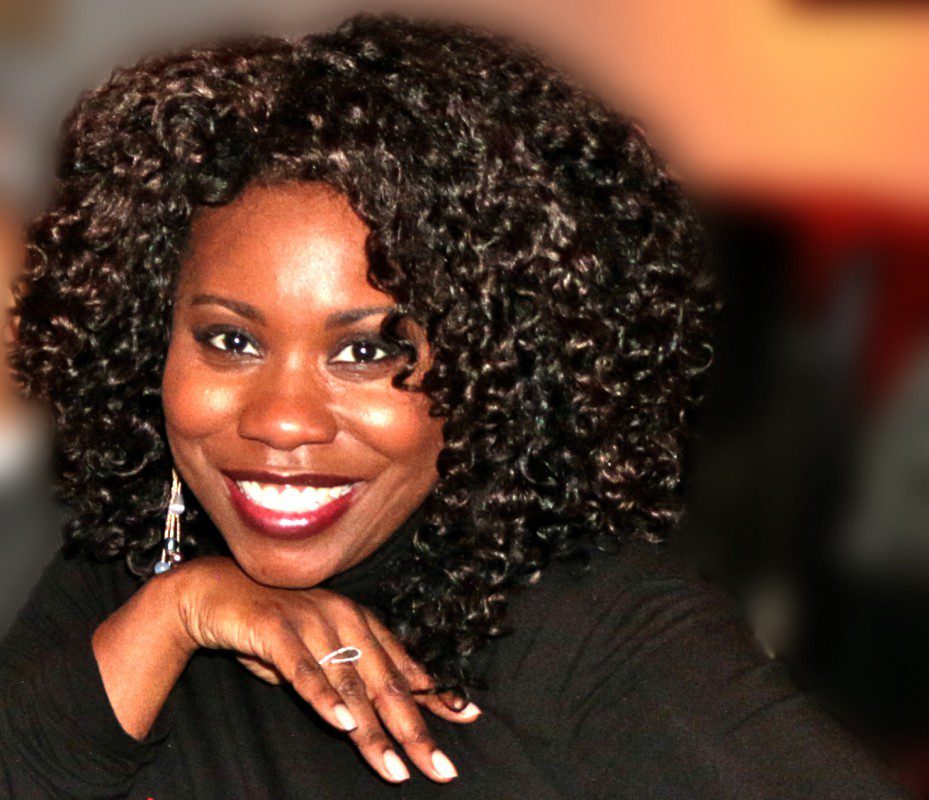
Regina Brooks is the founder and president of Serendipity Literary Agency LLC, based in Brooklyn, New York. Her agency has represented and established a diverse base of award-winning clients in adult and young adult fiction, nonfiction, and children's literature. Writer's Digest magazine named Serendipity Literary Agency as one of the top 25 literary agencies in 2004.  Prior to opening her own agency, Ms. Brooks held senior editorial positions at John Wiley and Sons (where she was not only the youngest but also the first African-American editor in their college division) and McGraw-Hill. She is the author of Essences Magazine’s quick pick children's book,Never Finished! Never Done! (Scholastic) and WRITING GREAT BOOKS FOR YOUNG ADULTS (Source Books) and is a well-received blogger for the Huffington Post. Brooks is also on the faculty of the Harvard University publishing program.  She has been highlighted in several national and international magazines and periodicals, including Forbes, Media Bistro, Writers and Poets, Essence Magazine; Writers Digest Magazine, The Writer, and Sister2Sister magazine.   She is also the expert agent called upon for the Michael Baisden Radio Show.


WRITING GREAT BOOKS FOR YOUNG ADULTS is available at Amazon here and at all other major book retailers.


Tuesday, July 23, 2013

A New Genre Emerging: New Adult

Photo by imagerymajestic
freedigitalphotos.net
You may have heard this news, but I was shocked - and intrigued -  by the news of a new genre emerging:

New Adult

What is the difference between New Adult (NA) and Young Adult (YA)? I wondered that too. So I did a little research and discovered some interesting things.

NA books features protagonists age 18-25, the age in-between adolescence and adulthood. It is the time time when a person leaves the security of home and deals with making decisions and "growing up". The themes and issues of NA books are more mature, such as identity, abuse, bullying, sexuality, etc. These kinds of themes, when coupled with new life experiences such as starting college, first jobs, new friendships after college, engagement, wedding planning, etc, make life an difficult path to traverse.

YA books features adolescents...teenagers. It is the crazy teens years, with all it's drama and angst and adventure. It is a time of firsts...first boyfriend, first kiss, driving, getting on the cheerleading squad, first job, etc. It is the coming of age.

Where YA appeals to younger readers, NA is marketed to the 18-30 crowd. It is more PG-13 than PG...and depending on the sub-genre, it could lean toward an R rating.

Did I say sub-genre? Yes, indeed! NA books can be found in romance, fantasy, paranormal, dystopia, science fiction, even horror.

In my research, I didn't really find this particular genre in the Christian market. I am sure there are books out there that fit into this genre, but it is just not labeled as such. It's still pretty new and not all publishers even consider NA a valid genre.

It really came into play when some independent writers made it big selling their NA books as ebooks. Big name publishers then picked them up and offered them HUGE contracts. These books struck chord with readers and publishers are beginnining to take notice.

Now whether the Christian Booksellers Association (CBA) will follow suit, I don't know.  Maybe they already have and I just cannot find the information. But it seems that there would be a place for the NA genre within the smaller confines for the CBA world. The landscape of publishing is ever changing, ever growing. It's an exciting time, for sure!

What do you think? Have you heard of this genre? Does it sound appealing to you?

Tweetables:

Heard about the emerging new genre? New Adult is here at The Writer's Alley! Click to Tweet

New Adult or Young Adult books? What's the difference? The Writer's Alley Click to Tweet


****************************************************************************
This post is brought to you by
 Sherrinda Ketchersid

Sherrinda is a minister's wife and mother to three giant sons and one gorgeou

Tuesday, December 11, 2012

Guest Post: Thoughts on Drafting and Editing from Debut YA Author Jessie Andersen


Julia: Jessie released her first book, At What Cost, this year from Astrea Press. Although not in the Christian genre, her book was published in the young adult genre and covers the theme of abortion from a Christian worldview perspective.


You might think that being a published author, I would consider writing my strength, but in reality, writing is my weak point. Honestly, I stink at the drafting part. Editing. Now there’s my strength.


When I write, I have to allow myself some room to write crap. My fellow authors and I like to call it ‘word vomit’. Just let whatever comes out, come out without worry of grammar, dialogue, character development or the like. Now that doesn’t mean I totally ignore those things as I write, but I can’t let plotting get in the way of my story. I basically have my story plotted before I begin, so I know where I want to go with it, but it’s the drive to the end that’s difficult. I get stuck up on the rocks and bumps that are word choice and imagery. So as often as possible, I skip over them…at first. Get to the end—that first rough draft—then I can go back and make the story my baby.


My process looks something like this: Word vomit a draft. This takes me about six to ten months. I hate that I write slowly, but with kids and house and life, I can’t devote as much time to the computer as I’d like. Once I get my first draft, which usually tops out at around fifty thousand words, I move to my favorite part: the editing. I say ‘editing’ but what I mean is the process of both editing and revising. I head back to the beginning and start reading. As I read, I expand, work on that imagery, add a character description or a new line of dialogue. If I happen to see some poor grammar, I fix it. If there’s a plot problem, I revise it as early as I can spot it. It’s a lot easier to do this sort of thing in the first draft or two. There’s less to change later on in the manuscript that way. Once I make it to the end of my draft, I’ve probably added a few thousand words or so. Then, I start again. And repeat. Again and again. Until I’m satisfied with the story. After about ten to fifteen drafts by me, I send it to a beta reader or two and wait for feedback. Then I revise again. Another three to five times until it’s perfect…absolutely perfect—at least until an editor finds more mistakes. J


Believe it or not, this part is fun for me. It’s the challenge of finding that perfect word that gets me excited. It’s overcoming the difficulty of creating a believable and interesting character. But I can’t do any of that until I have that first, horrible draft. So, I must leave you all now to head back to my work in progress and get to the end of that pile of word vomit. 
Author Links:
www.Jandersenbooks.com
www.Therabidwriter.blogspot.com 
www.readbetweenthelinesbookclub.blogspot.com
www.facebook.com/jandersenbooks
www.twitter.com/jvdlandersen
http://www.goodreads.com/jvdlandersen