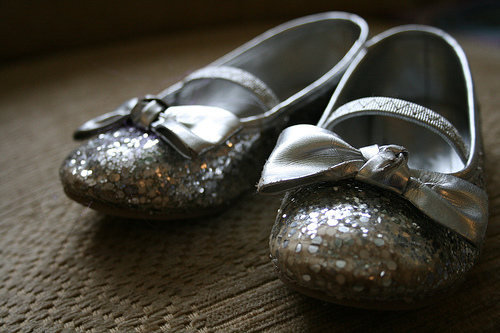
 You ever have that perfect pair of jeans you simply adore--or that's a perfect fit? For my two oldest daughters, it's shoes. You know those ones with the tiny heels that click-clack across the floor or leave thousands of sparkles in their wake. They wear them until they're no longer wearable, or sometimes even grow out of them, and have to say goodbye. They don't want to, sometimes there are even tears, but when the sole falls off or the shoes don't fit anymore, Mommy knows best. And what she knows is that it's time to say goodbye to those shoes.
Just like with those shoes or our favorite pair of jeans, we have to know when to say goodbye to our stories. Sometimes temporarily, sometimes permanently.
We all do it. We get attached to a story we've created and have high hopes for it. It's sparkly, like those shoes, a perfect fit, like those jeans. We want to see it through to publication, through all the edits and all the way to the end, where we see it in reader's hands, getting rave reviews. But there are times when it's better to set that story aside, even if we feel it's very special.
From a lot of years of experience and hanging onto novels too long, I've come up with some good indicators that it's time to move on from your novel.
When Feedback Isn't Where It Needs to Be
Whether your feedback is from beta readers, critique partners, or even contest judges, if you're getting consistent feedback that a lot of your story needs work, take a step back. If knowledge of the craft is lacking, step back. Put your manuscript aside, do some study of the craft and some research about topics you need to improve on. Then you can either return to your story or start a new one if the old one isn't salvageable.
When It's Your First Manuscript
Before I get in trouble, let me just say this is a general suggestion. Sometimes someone will write that first manuscript and it's awesome! Agents love it, editors want it, and there's no problem. But for most writers, that first manuscript is a starting point. A tool to learn and see where your skills are, or even to see if writing is for you at all.
When You Can't Read Through the First Few Chapters Without Skimming
Once you've received feedback or are working tirelessly to edit, sometimes it's hard to see your story with a clear eye. If you find you're skimming paragraphs or chapters, you're not going to be able to edit your story how it needs to be reworked. Take a break and return to your editing later.
When the Thought of Editing Another Few Times Makes You Cringe
If you're seriously tired of editing, you've hit that point like, as I said above, it's going to be hard to edit your story how it needs to be edited. Again, take a break. A few weeks, sometimes even a few months, gets the story out of your head enough that you can return to it with fresh eyes. And in the meantime, work on something else that will help you. Study craft books, learn from agents or author blogs, even start plotting a new story so you have something else to work on once those edits are finally done.
When You're Too Close to the Manuscript
I have to put this one in here because I've done it before. I've gotten so close to the manuscript, it's hard to see that anything might be wrong with it. It's hard to realize that extensive editing, or at least some editing, might be necessary before trying to submit it. You need perspective here. And sometimes when you return to that manuscript, you realize it's not ready, and maybe it's time to step away from that story for good.
When the Market, Agents, Editors, or Your Heart is Calling For Something Else
I'm not saying you should be swayed by trends or stop a manuscript dead in the middle of writing it. But I am saying that once you finish a manuscript, find that perspective. See if it will fit in the market. See if you have passion to work and rework it. Pray about it. Also, don't be afraid to acknowledge that your book might just be a stepping stone to get you to something bigger and better, whether it be a new genre, or even a new outlook on the way to craft a book.
Have you had a hard time stepping away from your novel or novels in the past? What helped you do so, and was the separation permanent?
***photo by andygeers
*************************************************************************************
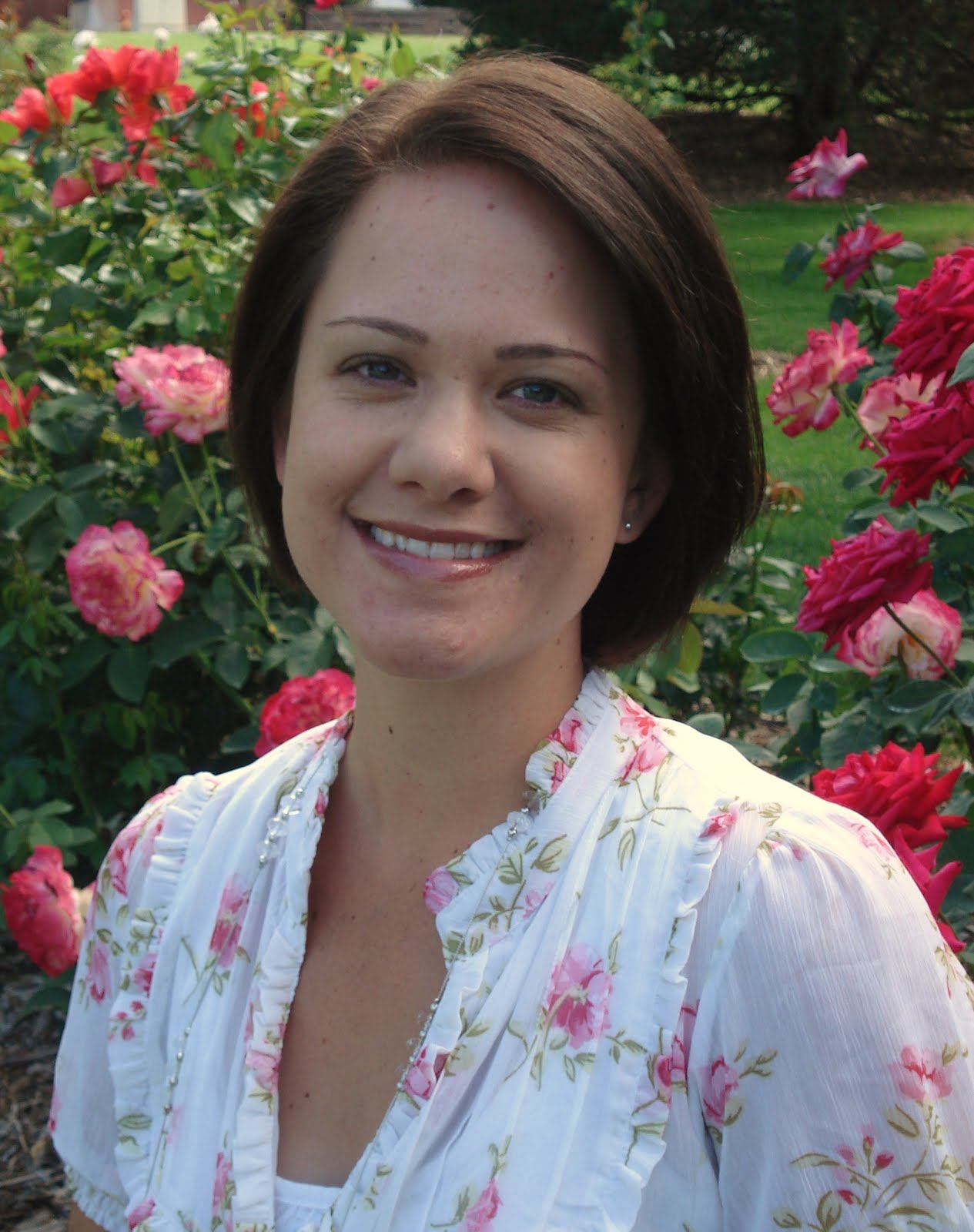 Cindy is a Colorado native, living near the mountains with her husband and three beautiful daughters. She writes contemporary Christian romance, seeking to enrich lives with her stories of faith, love, and a touch of humor.
To learn more about Cindy, visit her at her personal blog, www.cindyrwilson.blogspot.com